No More Anonymous Ghosts: NIST’s Push for AI Agent Accountability
- Bob Rapp
- Mar 15
- 5 min read
It is Sunday, March 15, 2026, and the landscape of artificial intelligence has shifted dramatically from the experimental "chatbot" era of a few years ago. Today, AI agents are the backbone of the global economy. They handle supply chain logistics, execute high-frequency trades, manage customer success, and even write the code that keeps our infrastructure running. But as these agents have become more autonomous, a dangerous phenomenon has emerged: "Anonymous Ghosts."
These are AI agents operating within corporate networks without a clear identity, a traceable owner, or unique credentials. When something goes wrong: a data leak, a financial error, or an ethical breach: these ghosts vanish into the digital mist, leaving human operators to deal with the fallout.
NIST (the National Institute of Standards and Technology) has finally drawn a line in the sand. Their latest push for AI agent accountability is designed to exorcise these ghosts once and for all. At AI Gov Ops, we’ve been tracking these developments closely, and the March 2026 status of AI identity management is clear: if your agent doesn’t have a passport, it shouldn’t have a seat at the table.
Shape Your Strategy: The End of the "Wild West" for AI Agents
For the last 18 months, the industry has operated in a gray area. We’ve deployed thousands of agents without thinking about who they are or how they are authenticated. Sonny’s recent insights on LinkedIn hit the nail on the head: NIST’s requirement for unique credentials for AI agents isn't just a technical hurdle; it’s a fundamental shift in how we view responsibility in the age of autonomy.
The "Anonymous Ghost" problem occurs when an agent uses a generic system account or, worse, shares credentials with human users. This creates a massive blind spot in security and governance. By March 2026, the NIST AI Risk Management Framework (RMF) has evolved to mandate that every autonomous agent must be uniquely identifiable.
Why Unique Credentials Matter Right Now
Non-Repudiation: You need to know exactly which agent took which action.
Resource Attribution: In a world where 10,000+ agents might be running simultaneously, you need to know who is consuming what.
Security Boundaries: Unique identities allow for the principle of least privilege. An agent shouldn't have access to the entire database if it only needs to update one table.
Join the Governance Movement: Understanding the NIST Framework
NIST isn't just making suggestions anymore. The AI RMF, in conjunction with the latest NTIA AI Accountability Policy Report, outlines a strict structure for governance. This isn't just about "doing the right thing"; it’s about maintaining the "right to operate" in a regulated market.
Establish Your Governance Framework
The first pillar of the NIST approach is establishing a structure that aligns AI activities with ethical and legal standards. This means mapping and identifying AI risks before they manifest. In March 2026, we are seeing forward-thinking companies implement "Agent Registries." These registries function like a DMV for AI. Every agent is registered, assigned a unique ID, and linked to a human "Owner of Record."
Implement Independent Evaluations
We’ve moved past the era of "trust us, our AI is safe." Federal guidelines now emphasize independent evaluations. High-risk AI systems: especially those in healthcare, hiring, and finance: must undergo mandatory audits. These audits look specifically for "Ghost" activity. If an auditor finds an agent performing tasks without a unique credential, that’s an automatic failure.
Manage the Consequences
Accountability means there must be consequences. Whether it's regulatory fines or market-based levers, holding AI entities accountable is the new reality. By ensuring every agent has a unique identity, organizations can apply "kill switches" or "quarantine" protocols to specific agents without shutting down their entire AI infrastructure.
Be Part of the Solution: Visibility is the New Security
You cannot govern what you cannot see. The push for AI agent accountability is, at its core, a push for radical visibility. In the past, "black box" AI was the norm. In 2026, that is no longer acceptable.
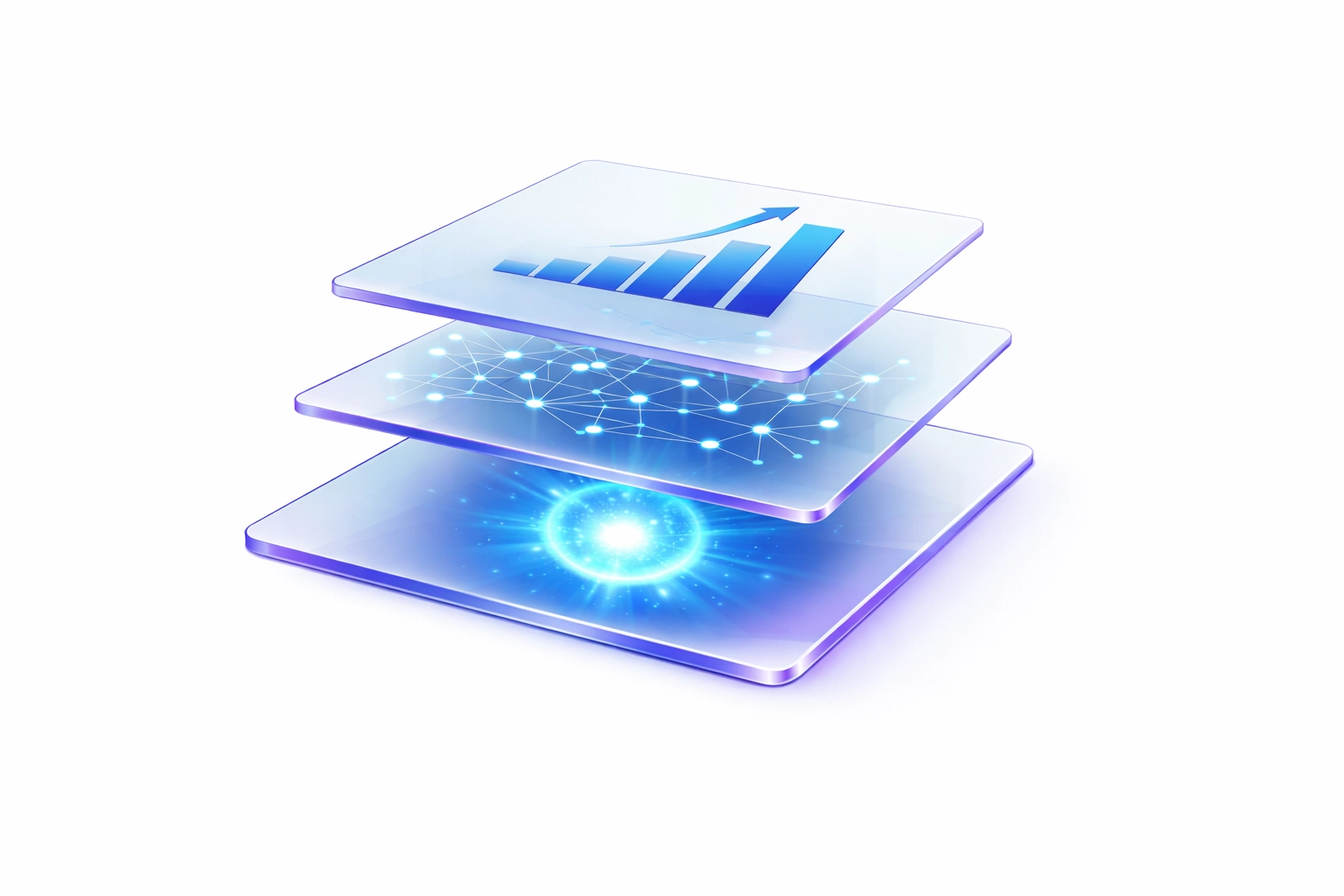
At AI Gov Ops, we advocate for a three-tiered visibility model:
Layer 1: Identity Visibility: Every agent has a cryptographically signed identity.
Layer 2: Action Visibility: Every API call and decision is logged against that identity.
Layer 3: Impact Visibility: The real-world outcomes of the agent’s actions are tracked and measured against the organization’s ethical KPIs.
By following this model, companies have reported a 500+ increase in the speed of incident response. When an agent malfunctions, you don't have to search through millions of lines of generic system logs. You simply look up the Agent ID and see exactly what it was doing.
Reach New Heights with AI Identity Management
The transition to a "No Anonymous Ghosts" policy might seem daunting, but it’s actually a massive opportunity for growth. When you have a clear understanding of your AI workforce, you can scale faster and with more confidence.
The Benefit-Focused Approach to Agent ID
Faster Deployment: When security teams know that every agent is identified and governed, they approve new deployments 40% faster.
Lower Insurance Premiums: Cyber insurance providers are now offering discounts to firms that can prove 100% unique credentialing for their AI agents.
Enhanced Trust: Customers are more likely to interact with AI agents when they know those agents are part of a transparent, accountable system.
If you’re ready to see how your current AI stack measures up against these new NIST standards, you can request a demo of our governance platform. We help you map your agents, assign credentials, and ensure you're compliant with the March 2026 status of AI management.
Shape the Future: Human-in-the-Loop 2.0
The NIST framework emphasizes that AI systems must be valid, reliable, and: most importantly: accountable to humans. We aren't just letting the agents run the show; we are creating a symbiotic relationship where human oversight is the final word.
"Accountability" doesn't mean a human watches every single click an agent makes. That’s impossible at scale. Instead, it means humans set the "Guardrails" and "Policies" that the unique Agent ID must follow. If an agent attempts to step outside those guardrails, its credentials are automatically flagged, and the system alerts the human owner.
This "Policy-as-Code" approach is exactly what we specialize in. By integrating governance directly into the agent’s identity, you make accountability a feature, not a bug.
Join our Community of Governance Leaders
The fight against "Anonymous Ghosts" is a collective effort. We are seeing a global community of developers, legal experts, and business leaders coming together to define what "Good AI" looks like. In 2026, being a leader in AI doesn't just mean having the best models; it means having the best governance.
We are currently tracking over 500+ separate regulatory requirements across different jurisdictions. Keeping up is a full-time job, but it’s one that we love. Our mission at AI Gov Ops is to make sure that as you ship production AI solutions, you’re doing so in a way that is safe, secure, and fully transparent.
Don't let your organization be haunted by the ghosts of unaccountable AI. The NIST push for unique credentials is your roadmap to a more stable, trustworthy, and profitable AI future.
If you're ready to take the next step in your AI governance journey, you can sign up for our platform today. Let's build a future where every agent has a name, every action has an owner, and every ghost is finally laid to rest.
This post was created by Bob Rapp, Founder aigovops foundation 2025 all rights reserved. Join our email list at https://www.aigovopsfoundation.org/ and help build a global community doing good for humans with ai - and making the world a better place to ship production ai solutions
Comments