AI Transparency Requirements Explained in Under 3 Minutes: What Compliance Officers Need Now
- Bob Rapp

- 2 days ago
- 4 min read
Two days ago, California's AB 2013 took effect. In seven months, EU AI Act compliance deadlines hit. If you're a compliance officer managing AI systems, transparency requirements are no longer theoretical: they're immediate legal obligations with real penalties.
What AI Transparency Actually Means
AI transparency goes beyond "we use machine learning." It requires explicit disclosure of how AI systems operate, what data they use, and how they impact users. Think of it as informed consent for the AI age.
The regulatory definition centers on three core elements:
• Disclosure: Users must know when they're interacting with AI • Documentation: Technical specifications, training data, and decision logic must be recorded • Traceability: Organizations must be able to reconstruct how specific AI decisions were made
This isn't about revealing proprietary algorithms: it's about providing sufficient information for users and regulators to understand AI system behavior and potential risks.
Critical Artifacts Compliance Officers Need Now
Model Cards
Model cards document your AI system's intended use, performance characteristics, and known limitations. They should include:
• Intended use cases and explicitly prohibited uses • Performance metrics across different demographic groups • Known biases and fairness considerations • Training data characteristics and potential gaps • Evaluation procedures and benchmark results

Data Sheets
Every training dataset requires comprehensive documentation covering:
• Data sources and collection methodologies • Volume and scope of information used • Intellectual property status including copyrighted or trademarked content • Personal information disclosure and privacy considerations • Synthetic data usage and generation methods
California AB 2013 specifically mandates these disclosures for any AI system designed or substantially modified for public use in California.
Decision Logs
For high-risk AI applications, maintain detailed records of:
• Input data used for specific decisions • Model version and configuration at decision time • Output generated and confidence levels • Human oversight interventions or approvals • Appeals or corrections made to AI-generated outcomes
How to Operationalize Transparency Requirements
Step 1: Immediate Compliance Assessment
Audit your current AI systems against these questions:
• Which systems fall under California AB 2013 (public-facing, designed/modified for California use)? • Which qualify as "high-risk" under EU AI Act definitions? • What documentation already exists versus regulatory requirements? • Where are the gaps in your current transparency practices?
Step 2: Documentation Infrastructure
Establish systematic processes for:
• Automated logging of AI system decisions and inputs • Version control for models, training data, and configuration changes • User disclosure mechanisms that inform users about AI interaction • Public transparency reporting meeting regulatory publication requirements
Step 3: Cross-Functional Coordination
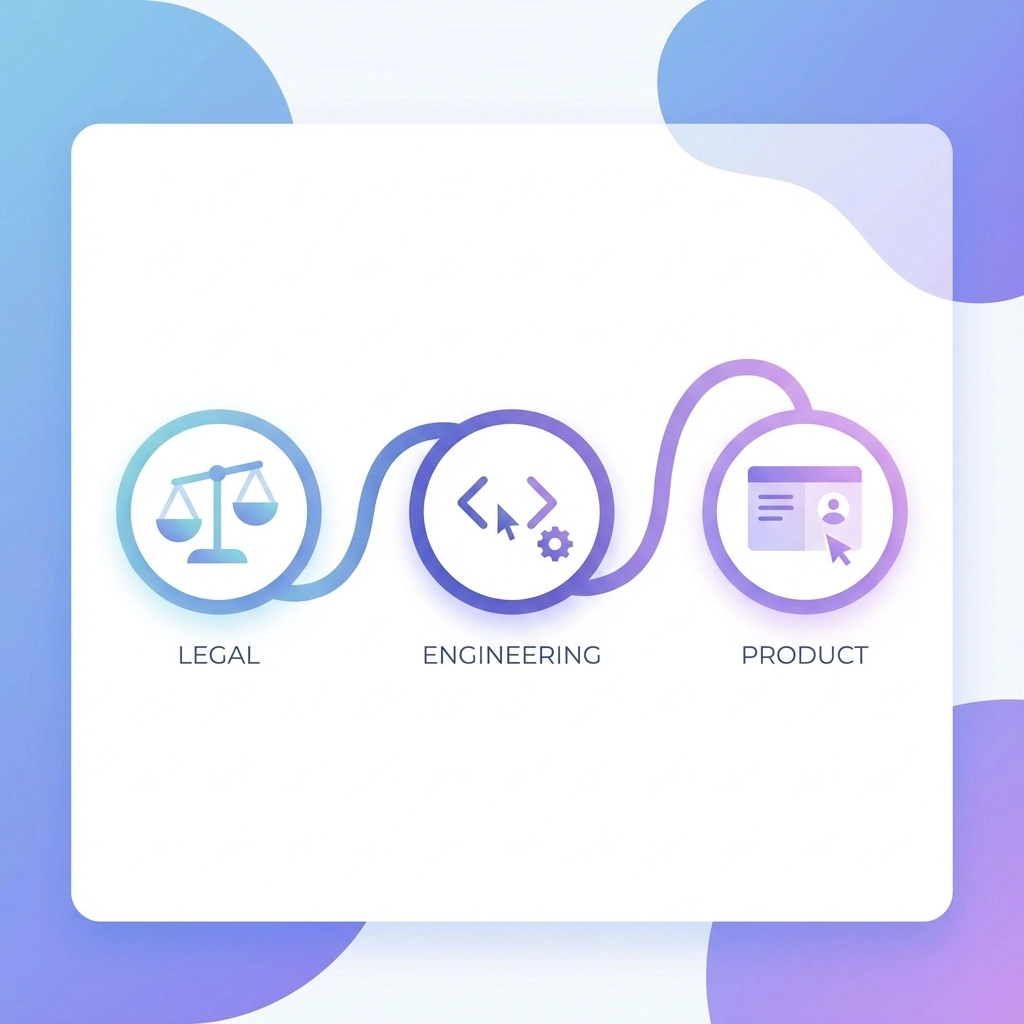
Transparency isn't just a legal requirement: it requires coordination across:
• Legal teams for regulatory interpretation and compliance strategy • Engineering teams for technical implementation and logging systems • Product teams for user experience and disclosure design • Data teams for training data documentation and lineage tracking
Cross-Regulatory Landscape: What You Need to Know
EU AI Act (Deadline: August 2026)
The EU takes a risk-based approach with escalating requirements:
• Minimal risk: Basic transparency obligations for chatbots and content generation • High risk: Comprehensive documentation, human oversight, and conformity assessments • Penalties: Up to €35 million or 7% of global annual turnover
NIST AI Risk Management Framework
While not legally binding, NIST AI RMF provides implementation guidance that many organizations use as their compliance baseline. Key alignment areas include:
• Governance structures for AI transparency decisions • Risk assessment processes for different AI applications • Measurement and monitoring of AI system performance over time
California Regulations (Effective Now)
Beyond AB 2013, California SB 942 requires disclosure when AI generates content that could influence voter behavior or democratic processes.
3-Minute Summary: Action Items for Compliance Officers
Immediate (This Week)
• Inventory all AI systems used for public-facing applications in California • Review existing documentation against AB 2013 requirements for training data disclosure • Identify high-risk systems under EU AI Act definitions
Short-term (Next 30 Days)
• Implement user disclosure mechanisms for AI interactions • Create model cards for all production AI systems • Establish data sheet protocols for training datasets • Design decision logging infrastructure for high-risk applications
Medium-term (By July 2026)
• Complete EU AI Act compliance preparation including conformity assessments for high-risk systems • Implement automated transparency reporting systems • Train cross-functional teams on ongoing compliance requirements • Establish monitoring processes for regulatory updates and changes

Building Sustainable Transparency Practices
The regulatory landscape will continue evolving. Successful compliance officers are building transparency capabilities that scale beyond current requirements.
Focus on systems and processes rather than one-time compliance exercises. The organizations that treat transparency as an operational capability: rather than a legal checkbox: will adapt more easily to future regulatory changes.
Consider implementing:
• Automated documentation generation that captures transparency artifacts as part of standard AI development workflows • Standardized disclosure templates that can be adapted for different regulatory jurisdictions • Regular transparency audits that proactively identify gaps before they become compliance issues
Resource Considerations
Many compliance teams find that transparency requirements intersect with existing data governance, privacy, and risk management programs. Rather than building entirely new processes, look for opportunities to extend current capabilities.
The most effective transparency programs integrate with existing compliance infrastructure while meeting the specific technical requirements of AI systems.
For organizations managing multiple AI systems across different jurisdictions, centralized transparency management becomes essential. This includes unified documentation standards, consistent disclosure practices, and streamlined reporting processes that can accommodate varying regulatory requirements without creating operational complexity.
The investment in comprehensive transparency capabilities pays dividends beyond compliance: it often reveals operational insights about AI system performance, helps identify potential bias or fairness issues, and builds user trust through clear communication about AI capabilities and limitations.
Remember: transparency requirements are becoming table stakes for AI deployment, not competitive disadvantages. Organizations that implement robust transparency practices early position themselves for sustainable AI governance as the regulatory landscape continues to mature.
This post was created by Bob Rapp, Founder aigovops foundation 2025 all rights reserved. Join our email list at https://www.aigovopsfoundation.org/ and help build a global community doing good for humans with ai - and making the world a better place to ship production ai solutions
Comments