Struggling For Ethical AI Implementation? 50+ Real-World Governance Framework Examples
- Bob Rapp

- 1 day ago
- 4 min read
Ethical AI implementation remains one of the most pressing challenges facing organizations today. While 87% of companies acknowledge the importance of responsible AI, only 23% have comprehensive governance frameworks in place. The gap between intention and implementation often stems from uncertainty about which frameworks to adopt and how to apply them effectively.
The good news? Hundreds of proven governance frameworks already exist across different organizations, regions, and sectors. This comprehensive guide curates over 50 real-world examples to help you navigate the landscape and build an implementation strategy that works for your organization.
Framework Categories: Finding Your Starting Point
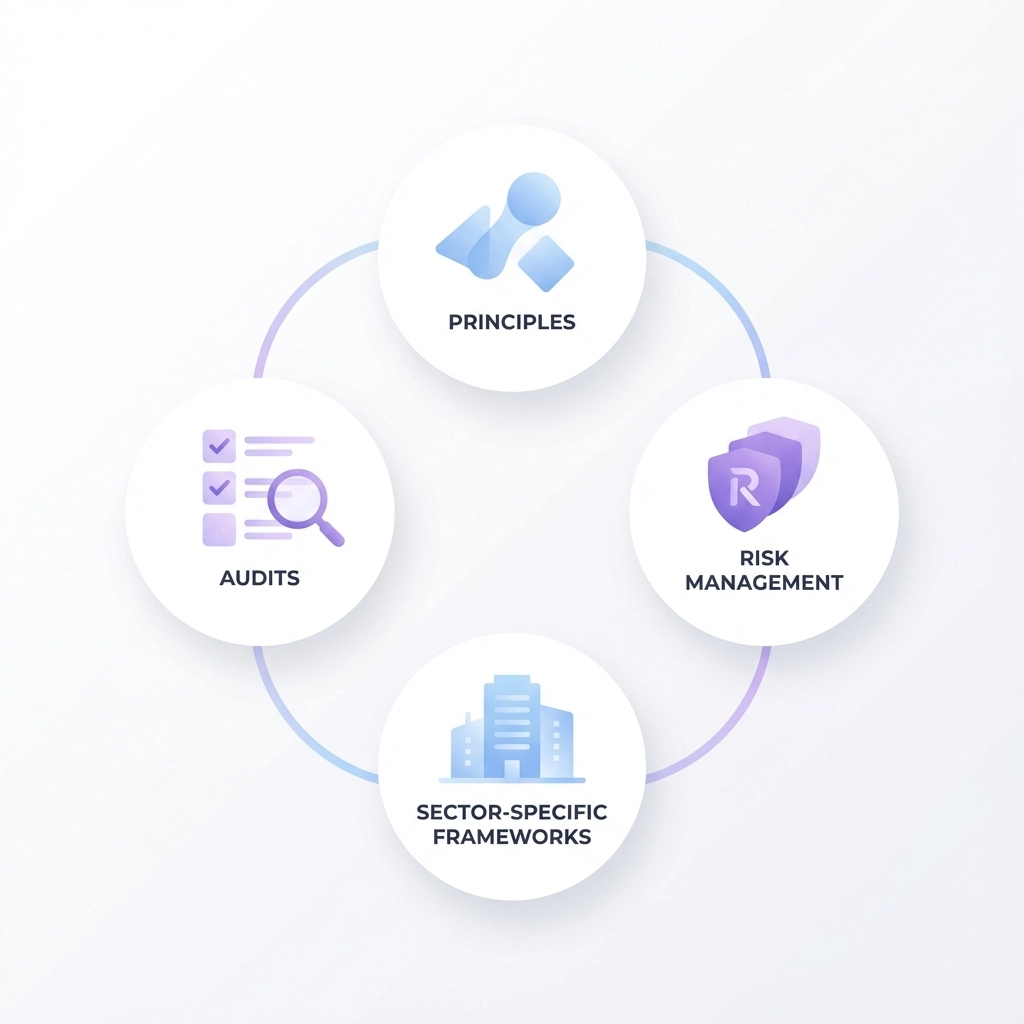
AI governance frameworks typically fall into four primary categories, each addressing different aspects of ethical implementation:
Principles-Based Frameworks
These establish foundational values and ethical guidelines for AI development and deployment.
Risk Management Frameworks
Focused on identifying, assessing, and mitigating AI-related risks throughout the lifecycle.
Sector-Specific Frameworks
Tailored guidelines addressing unique requirements in healthcare, finance, government, and other industries.
Audit and Assessment Frameworks
Structured approaches for evaluating AI systems against established criteria and standards.
Global Governance Framework Examples by Region
North America
United States
NIST AI Risk Management Framework (AI RMF 1.0)
White House AI Bill of Rights
NIST AI Risk Assessment
Department of Defense AI Ethical Principles
FDA AI/ML-Based Medical Device Action Plan
Treasury OCC Model Risk Management Guidance
FTC AI Guidance for Businesses
IEEE Ethically Aligned Design Standards
Canada
Canadian AI Ethics Framework
Treasury Board AI Guide for Government
Responsible AI in the Public Service Framework
CSA Group AI Risk Management Standard
Europe
European Union
EU AI Act (Artificial Intelligence Act)
Ethics Guidelines for Trustworthy AI
High-Level Expert Group AI Ethics Guidelines
European Data Protection Board AI Guidance
United Kingdom
UK AI White Paper
Information Commissioner's Office AI Guidance
Centre for Data Ethics Framework
Government AI Playbook
Germany
AI Ethics Commission Report
German AI Strategy Implementation Framework
Asia-Pacific
Singapore
AI Governance Framework (AIGA)
Model AI Governance for Healthcare
Personal Data Protection Commission AI Guidelines
Japan
Society 5.0 AI Principles
Partnership on AI Tenets
Australia
AI Ethics Framework
Voluntary AI Safety Standard
South Korea
National AI Strategy Ethical Guidelines
International and Multi-Stakeholder Frameworks
Global Organizations
OECD AI Principles and Policy Observatory
UN Global Pulse AI Guidelines
ISO/IEC 23053 AI Risk Management
ISO/IEC 23894 AI Risk Management Process
World Economic Forum AI Governance Toolkit
Partnership on AI Collaborative Framework
Academic and Research Institutions
MIT AI Governance Principles
Stanford HAI Governance Recommendations
University of Montreal Declaration for Responsible AI
Future of Humanity Institute AI Governance Framework

Industry-Led Governance Initiatives
Technology Companies
Google AI Principles
Microsoft Responsible AI Standards
IBM AI Ethics Framework
Amazon AI Fairness and Explainability Whitepaper
Meta Responsible AI Practices
Apple Machine Learning Research Guidelines
Financial Services
Bank of England AI Governance Principles
Monetary Authority of Singapore AI Guidelines
Hong Kong Monetary Authority AI Principles
Healthcare
WHO AI for Health Guidelines
American Medical Association AI Principles
UK NHS AI Lab Guidance
Sector-Specific Implementation Examples
Healthcare Frameworks
FDA AI/ML Medical Device Framework
European Medicine Agency AI Guidelines
Canadian Health AI Framework
Australia TGA AI Medical Device Guidance
Financial Services
Federal Reserve AI Supervision Framework
European Banking Authority AI Guidelines
Basel Committee AI Principles
Government and Public Sector
US Government AI Use Case Inventory
UK Government AI Playbook
Canadian Federal AI Implementation Guide
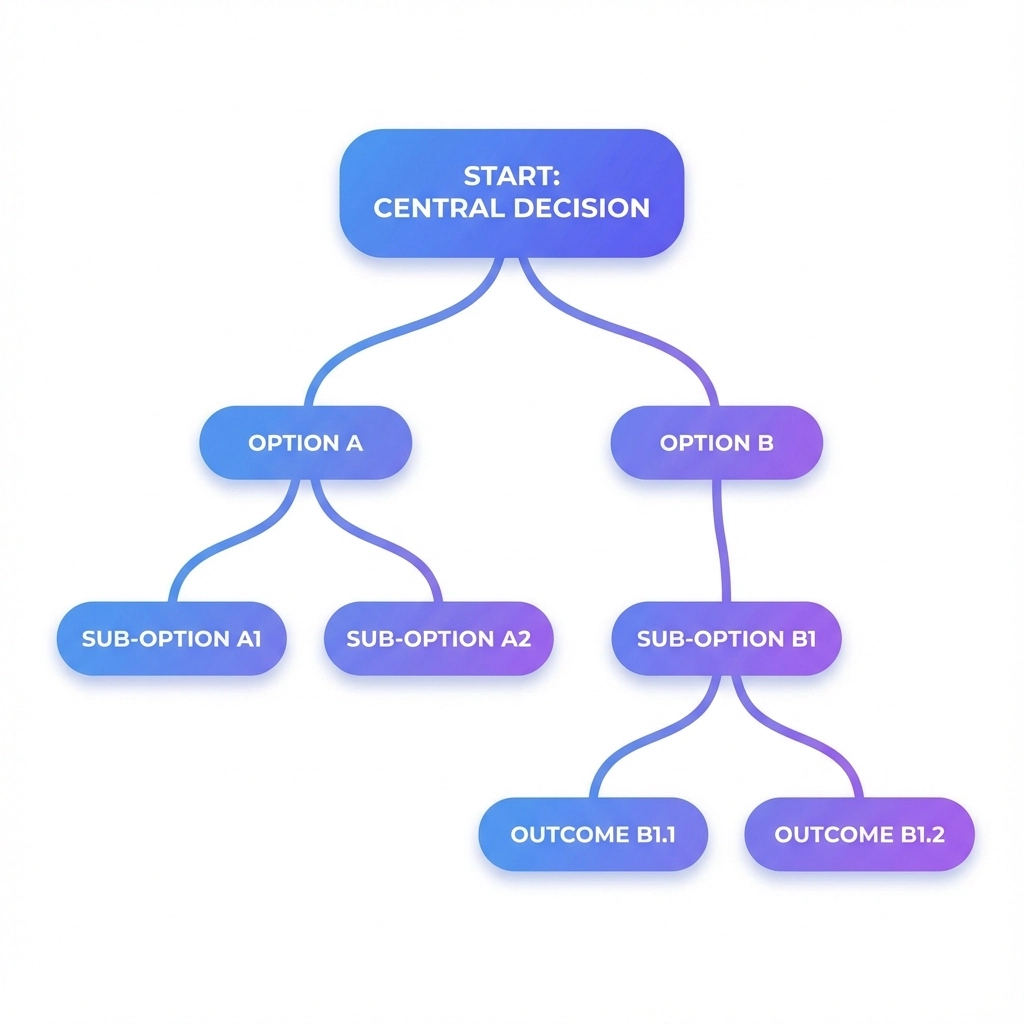
How to Choose the Right Framework: Decision Tree Approach
When selecting governance frameworks, consider these decision points:
1. Organizational Context
Industry sector and regulatory requirements
Geographic presence and jurisdictional obligations
Organizational maturity and existing governance structures
Risk tolerance and ethical priorities
2. Implementation Scope
Enterprise-wide governance vs. project-specific guidelines
Internal development vs. third-party AI procurement
Customer-facing vs. internal operational systems
3. Regulatory Landscape
Mandatory compliance requirements in your jurisdiction
Industry-specific regulations and standards
Emerging regulatory trends and future obligations
Implementation Checklist: 10 Essential Steps
□ Assess Current State: Conduct AI inventory and governance maturity assessment
□ Define Scope: Determine which AI systems and processes require governance
□ Select Primary Framework: Choose 1-2 primary frameworks aligned with your context
□ Identify Supplementary Guidelines: Add sector-specific or regional requirements
□ Establish Governance Structure: Create cross-functional AI ethics committee
□ Develop Policies: Translate framework principles into actionable policies
□ Create Assessment Tools: Build evaluation criteria and audit processes
□ Implement Training Programs: Ensure stakeholder understanding and capability
□ Monitor and Measure: Establish KPIs and continuous improvement processes
□ Regular Review and Update: Schedule periodic framework assessment and updates

Emerging Trends and Future Considerations
The AI governance landscape continues evolving rapidly. Key trends shaping future frameworks include:
Regulatory Convergence: Growing alignment between regional approaches, particularly around risk-based regulation and fundamental rights protection.
Operationalization Focus: Shift from high-level principles to specific, measurable implementation guidance and technical standards.
Cross-Border Coordination: Increased emphasis on international cooperation and mutual recognition of governance standards.
Sectoral Specialization: Development of industry-specific guidelines that address unique risk profiles and use cases.
Leveraging Global AI Governance Resources
The AI governance community spans 17+ countries with extensive knowledge sharing through research collaboratives, policy forums, and implementation networks. Organizations benefit from accessing the collective wisdom of 500+ research papers and frameworks available through global knowledge repositories.
Success in ethical AI implementation often comes from combining multiple frameworks rather than relying on a single approach. The most effective governance strategies blend international principles with sector-specific requirements and local regulatory obligations.
When implementing governance frameworks, remember that perfection isn't the goal: progress is. Start with established frameworks, adapt them to your context, and iterate based on experience and evolving best practices.
The path to ethical AI implementation becomes clearer when you have proven frameworks as your guide. Choose wisely, implement systematically, and contribute to the growing body of governance knowledge that benefits the entire AI community.
This post was created by Bob Rapp, Founder aigovops foundation 2025 all rights reserved. Join our email list at https://www.aigovopsfoundation.org/ and help build a global community doing good for humans with ai - and making the world a better place to ship production ai solutions
Comments