Are Healthcare AI Regulations Dead? Sector-Specific Governance Gaps You Should Know
- Bob Rapp

- 1 day ago
- 4 min read
Healthcare AI regulations aren't dead: they're rapidly evolving. In 2025 alone, 47 states introduced over 250 AI bills impacting healthcare, with 33 successfully passed. This surge in legislative activity signals robust regulatory momentum, yet critical governance gaps remain that healthcare organizations must address proactively.
The Current Regulatory Landscape
United States: State-Led Innovation
The US regulatory environment is characterized by decentralized state-level action rather than comprehensive federal oversight. States are primarily focusing on three key areas: clinical use restrictions, disclosure requirements, and insurance oversight.
Illinois leads with comprehensive legislation effective August 2025, prohibiting AI from making independent therapeutic decisions or representing itself as a licensed mental health professional. Texas requires healthcare providers to disclose AI use in patient care prior to treatment, while Pennsylvania mandates human review of AI-driven benefit denial decisions.
The FDA continues expanding its oversight, having authorized 1,357 AI-enabled medical devices as of September 2025. However, regulatory approval doesn't guarantee clinical adoption: a critical gap we'll explore shortly.

European Union: Comprehensive Framework Approach
The EU AI Act establishes the most comprehensive regulatory framework globally, classifying healthcare AI systems into risk categories. High-risk AI systems used in healthcare face stringent requirements including:
Conformity assessments before market placement
Continuous monitoring and reporting obligations
Human oversight requirements for AI-assisted decisions
Transparency and explainability standards
Medical Device Regulation (MDR) intersects with AI Act requirements, creating dual compliance pathways for AI-enabled medical devices. This creates complexity but ensures robust oversight.
United Kingdom: Principles-Based Regulation
The UK adopts a principles-based approach, empowering existing regulators like the MHRA to adapt guidelines for AI systems within their domains. This flexible framework emphasizes innovation while maintaining safety standards, though it creates uncertainty around specific compliance requirements.
Critical Governance Gaps in Healthcare AI
Reimbursement and Adoption Disconnect
Despite FDA authorization of over 1,300 AI-enabled medical devices, very few receive active insurance coverage. This reimbursement gap creates a disconnect between regulatory approval and clinical adoption, leaving healthcare organizations uncertain about ROI for AI investments.
The Centers for Medicare & Medicaid Services began addressing this through 2026 payment strategy consultations, but coverage remains inconsistent across private insurers.
Clinical Decision Support Oversight
Current regulations often treat AI-enabled clinical decision support tools as software rather than clinical practitioners. This classification gap means many AI tools influencing patient care operate with minimal oversight compared to traditional medical devices.
Some experts propose licensing AI-enabled medical tools as advanced clinical practitioners, but no jurisdiction has formally adopted this approach, creating regulatory uncertainty.

Data Privacy and Interoperability
HIPAA compliance becomes complex when AI systems process protected health information across multiple healthcare entities. Current privacy frameworks weren't designed for AI's data processing patterns, creating ambiguity around:
Cross-institutional AI model training
Patient consent for AI-driven insights
Data minimization in AI development
Third-party AI vendor agreements
Bias Detection and Mitigation
While regulations mandate fairness considerations, specific requirements for bias testing, monitoring, and remediation remain underdeveloped. Healthcare AI systems can perpetuate or amplify existing healthcare disparities without proper oversight mechanisms.
Explainability Requirements
Clinical decision-making increasingly relies on AI recommendations, yet explainability standards vary significantly across jurisdictions. Healthcare providers need clear guidance on when and how to explain AI-assisted decisions to patients and colleagues.
Actionable Governance Controls
Establish AI Governance Committees
Create multidisciplinary committees including clinical leadership, IT security, legal counsel, and quality assurance. These committees should oversee AI procurement, implementation, and monitoring across your organization.
Implement Risk-Based AI Classification
Develop internal classification systems categorizing AI tools by clinical impact and regulatory requirements. High-risk applications require enhanced oversight, while low-risk tools may follow streamlined approval processes.
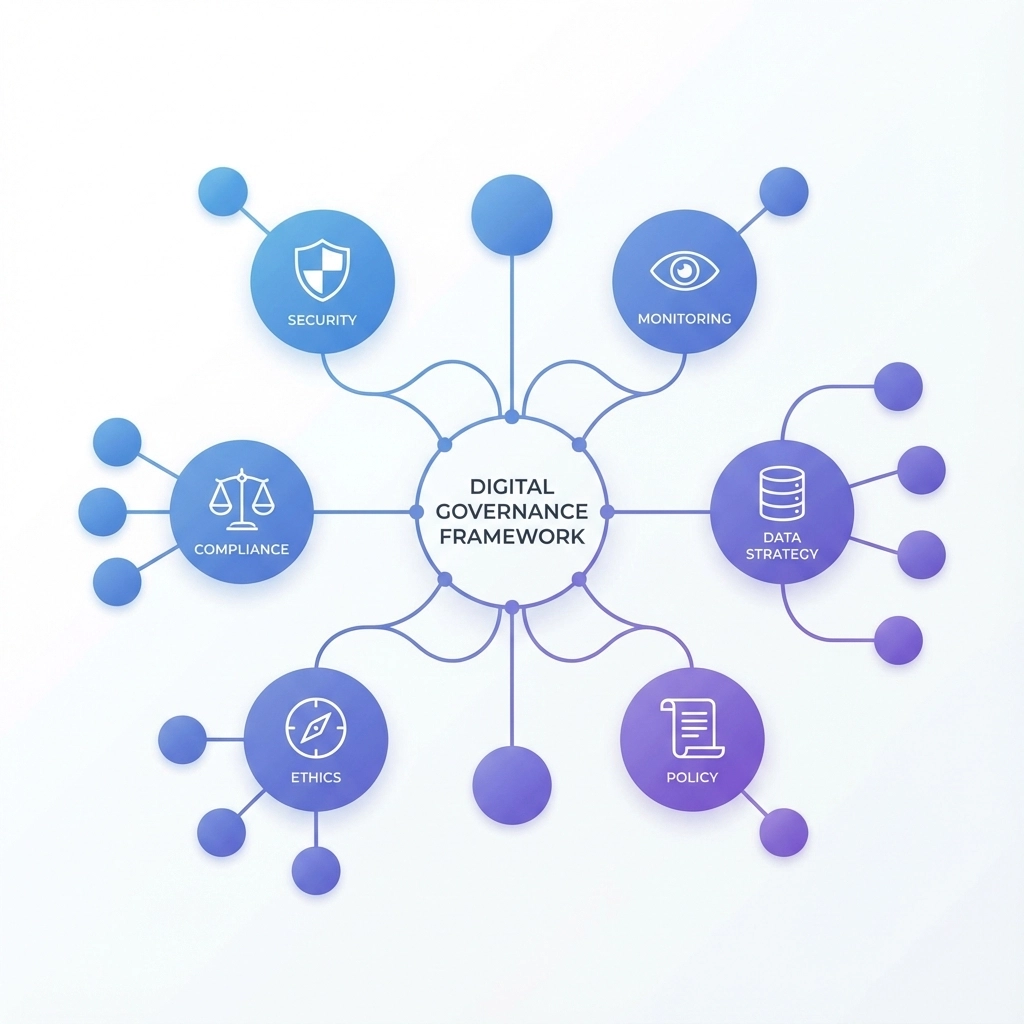
Develop AI Use Policies
Create clear policies addressing:
AI disclosure requirements for patients
Human oversight responsibilities
Data governance for AI systems
Incident reporting procedures
Staff training requirements
Continuous Monitoring Programs
Establish ongoing monitoring for AI system performance, bias detection, and adverse events. Regular audits should assess compliance with internal policies and external regulations.
Vendor Management Framework
Develop comprehensive vendor assessment processes evaluating AI suppliers' compliance capabilities, data handling practices, and support for regulatory requirements.
Healthcare AI Risk Register Example
Risk Category | Specific Risk | Impact Level | Mitigation Strategy |
Clinical Safety | AI recommendation leads to misdiagnosis | High | Human oversight requirements, validation protocols |
Data Privacy | Unauthorized access to patient data | High | Encryption, access controls, audit trails |
Regulatory Compliance | Non-compliance with state disclosure laws | Medium | Policy development, staff training |
Bias and Fairness | AI system discriminates against patient populations | High | Regular bias testing, diverse training data |
Operational | AI system failure disrupts patient care | Medium | Backup procedures, redundancy planning |
Building Comprehensive AI Governance
Effective healthcare AI governance requires balancing innovation with patient safety. Organizations should adopt proactive approaches rather than reactive compliance strategies.
Key implementation steps include conducting comprehensive AI inventories, establishing clear approval workflows, and creating feedback mechanisms for continuous improvement. Regular stakeholder engagement ensures governance frameworks remain practical and effective.

Federal Preemption Concerns
A significant emerging risk involves potential federal preemption of state healthcare AI regulations. White House executive orders establish frameworks for federal AI regulation and create litigation task forces that could challenge state laws, particularly those restricting health insurer AI use.
Healthcare organizations should monitor federal developments while maintaining compliance with current state requirements. Building flexible governance frameworks enables adaptation to changing regulatory landscapes.
Moving Forward with Confidence
Healthcare AI regulations continue evolving rapidly, requiring organizations to stay informed and adaptable. The regulatory landscape isn't dead: it's actively developing with increasing sophistication and scope.
Success requires proactive governance approaches that exceed minimum compliance requirements. Organizations building robust AI governance frameworks today position themselves advantageously for future regulatory developments while ensuring patient safety and organizational resilience.
The AI Gov Ops research library provides ongoing updates on healthcare AI regulatory developments, helping organizations navigate this complex landscape. Our community shares practical implementation strategies and lessons learned from real-world healthcare AI governance initiatives.
Visit our research library to access the latest healthcare AI governance resources and connect with fellow professionals addressing these challenges.
This post was created by Bob Rapp, Founder aigovops foundation 2025 all rights reserved. Join our email list at https://www.aigovopsfoundation.org/ and help build a global community doing good for humans with ai - and making the world a better place to ship production ai solutions
Comments