EU AI Act 2026: 7 Compliance Mistakes You're Making (And How to Fix Them Before It's Too Late)
- Bob Rapp

- 3 days ago
- 5 min read
With August 2026 approaching fast, organizations worldwide are scrambling to comply with the EU AI Act's high-risk system requirements. Yet our analysis of current compliance efforts reveals that most companies are making critical mistakes that could lead to significant penalties, operational disruption, and market access issues.
The stakes are high: non-compliance can result in fines up to €35 million or 7% of global annual turnover. More importantly, organizations that fail to meet these requirements risk being locked out of the EU market entirely.
Here are the seven most common compliance mistakes we're seeing: and practical steps to fix them before it's too late.
Mistake #1: Delayed AI System Mapping and Classification
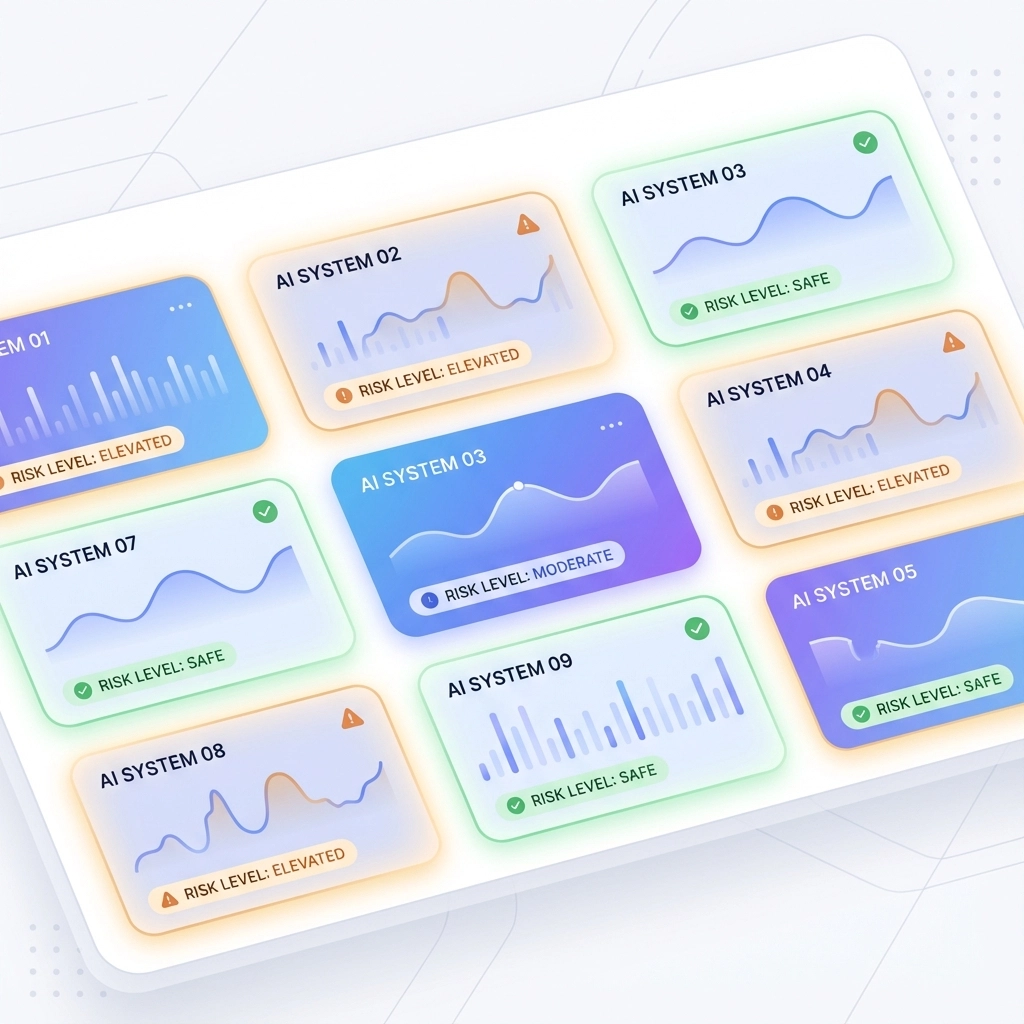
What's happening: Most organizations haven't conducted comprehensive AI system inventories or properly classified their systems according to the risk tiers defined in Annex III of the EU AI Act.
Why this matters: Without accurate classification, you can't determine your specific compliance obligations. High-risk AI systems have extensive requirements that take months to implement properly.
How to fix it immediately:
Conduct a complete AI mapping exercise across all business units
Document every AI system your organization uses, develops, or procures
Classify each system by risk level: prohibited, high-risk, general-purpose AI (GPAI), or minimal-risk
Create a centralized registry that tracks system purpose, data sources, and decision-making scope
Assign ownership and accountability for each system's compliance
Mistake #2: Inadequate Risk Assessment and Documentation
What's happening: Companies are treating risk assessment as a checkbox exercise rather than building robust, ongoing processes. Many assume they can prepare technical documentation closer to the August deadline.
Why this matters: The EU AI Act requires comprehensive technical documentation that demonstrates systematic risk assessment, not just compliance paperwork. Regulators will scrutinize your actual risk management processes.
How to fix it:
Implement structured risk assessment frameworks that evaluate bias, discrimination, and safety risks
Document training datasets, testing procedures, and evaluation results for each high-risk system
Create audit trails showing how you identify, assess, and mitigate AI-related risks
Establish regular risk review cycles with clear escalation procedures
Maintain evidence of risk mitigation effectiveness over time
Mistake #3: Neglecting Data Governance Requirements
What's happening: Organizations haven't implemented robust data governance frameworks to ensure their training, validation, and testing datasets meet EU AI Act standards.
Why this matters: Poor data governance directly violates requirements for datasets to be "relevant, representative, free of errors and complete." This is a foundational compliance requirement that affects system performance and bias prevention.
How to fix it:
Establish data governance processes ensuring datasets are sufficiently representative of their intended use
Implement data quality controls to minimize errors and ensure completeness
Create documentation showing how datasets address potential biases
Develop procedures for ongoing data validation and quality assurance
Train data teams on EU AI Act-specific data requirements
Mistake #4: Missing Human Oversight Implementation
What's happening: Organizations haven't designed meaningful human-in-the-loop checkpoints for AI systems that affect safety, fundamental rights, or financial outcomes.
Why this matters: Human oversight isn't optional for high-risk AI systems: it's a core requirement. Systems must be designed to enable effective human intervention before adverse outcomes occur.
How to fix it:
Design human oversight mechanisms that allow intervention in AI decision-making processes
Establish clear workflows with human checkpoints for high-risk systems
Train oversight personnel to understand system limitations and intervention points
Create escalation procedures when human operators identify concerning AI outputs
Document how human oversight prevents or mitigates potential harms

Mistake #5: Insufficient Employee AI Literacy
What's happening: Many organizations missed the February 2, 2025 deadline for AI literacy training and still haven't implemented programs to ensure employees understand AI risk management and governance.
Why this matters: This requirement is already in effect and represents an active compliance gap. Employees involved in AI decision-making must understand AI governance principles and risk management approaches.
How to fix it now:
Immediately implement AI literacy programs for developers, compliance teams, and executives
Cover AI governance principles, risk assessment methodologies, and regulatory requirements
Provide role-specific training based on each employee's involvement with AI systems
Document training completion and comprehension testing
Establish ongoing education programs as AI governance evolves
Mistake #6: Failure to Prepare for Conformity Assessments
What's happening: Providers of high-risk AI systems haven't prepared for third-party conformity assessments or established processes to obtain EU declarations of conformity.
Why this matters: High-risk AI systems require independent conformity assessment before market entry. Without proper preparation, you'll face significant delays and potential market access issues.
How to fix it:
Identify which of your AI systems require third-party conformity assessments
Begin preparing documentation packages that assessors will need to review
Implement governance structures that meet assessment requirements (consider ISO/IEC 42001)
Establish relationships with notified bodies that can conduct assessments
Create internal processes for maintaining conformity over time
Mistake #7: Lack of Continuous Post-Market Monitoring
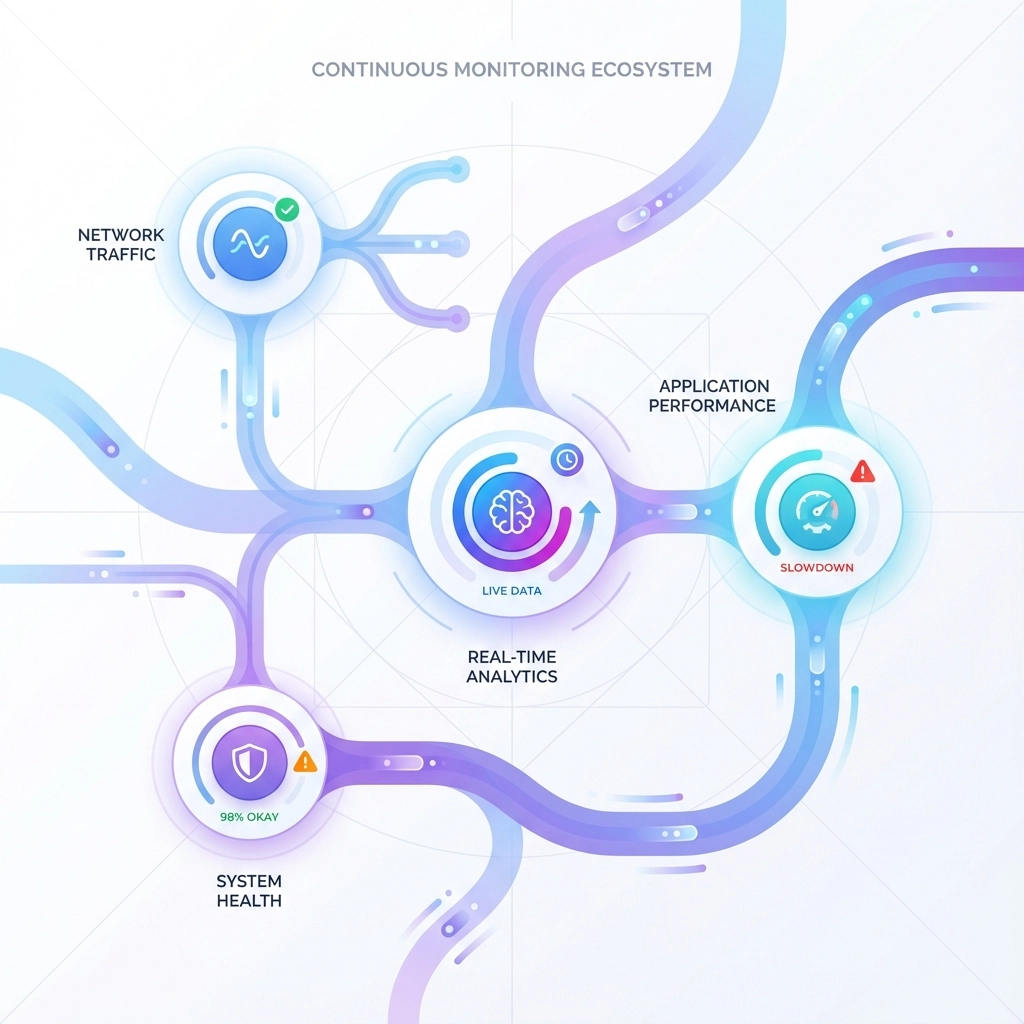
What's happening: Organizations are treating compliance as a pre-launch requirement rather than an ongoing operational responsibility requiring logging, monitoring, and corrective actions.
Why this matters: The EU AI Act requires continuous monitoring of AI system performance and outcomes. Post-market surveillance isn't optional: it's a core compliance obligation.
How to fix it:
Establish systems for automatic logging of AI system events and decisions
Implement ongoing monitoring to ensure systems function as intended
Create procedures for detecting and responding to performance degradation
Develop corrective action processes when compliance issues emerge
Maintain detailed records that demonstrate ongoing compliance efforts
Your 30-Day Compliance Action Plan
Week 1: Assessment and Inventory
Complete comprehensive AI system mapping
Classify all systems by EU AI Act risk categories
Identify immediate compliance gaps
Assign ownership for each system's compliance
Week 2: Risk and Documentation
Begin formal risk assessments for high-risk systems
Start building technical documentation packages
Implement data governance quality controls
Design human oversight workflows
Week 3: Training and Processes
Launch AI literacy training programs
Establish ongoing monitoring procedures
Create conformity assessment preparation timeline
Build post-market surveillance capabilities
Week 4: Integration and Testing
Test human oversight mechanisms
Validate monitoring and logging systems
Review documentation completeness
Plan for ongoing compliance maintenance
What This Means for Your Organization
The August 2026 deadline isn't just a compliance checkpoint: it's a market access requirement. Organizations that delay these implementations risk not only significant penalties but also operational disruption and competitive disadvantage.
The most successful compliance programs we've seen treat EU AI Act requirements as governance improvements rather than regulatory burdens. They build systematic approaches that enhance AI risk management while meeting legal obligations.
Don't wait until July to start serious compliance work. The organizations that begin comprehensive implementation now will have robust, tested systems in place well before the deadline: and they'll be better positioned to leverage AI responsibly in the European market.
Ready to assess your current compliance readiness? Our governance assessment tools can help you identify specific gaps and build a systematic approach to EU AI Act compliance.
This post was created by Bob Rapp, Founder aigovops foundation 2025 all rights reserved. Join our email list at https://www.aigovopsfoundation.org/ and help build a global community doing good for humans with ai - and making the world a better place to ship production ai solutions
Comments