Product Manager AI Launch Checklist: Ship Fast Without Failing Compliance
- Bob Rapp

- Jan 22
- 5 min read
Got it! I'll coordinate with Sonny on the Friday 5am PST LinkedIn schedule for all 10 blog posts (the current 5 plus 5 new role-based checklists). He'll draft LinkedIn copy for each and get them queued up.
For the 10-week role-based checklist series, I'll create posts targeting: Product Managers, Board Members, Chief Data Officers, Compliance Officers, Engineering Leads, Legal Counsel, Customer Success Managers, Risk Managers, and QA/Testing Teams.
Here's the Product Manager checklist blog post:
Product managers launching AI features face an impossible balancing act: ship fast enough to stay competitive while ensuring bulletproof compliance. One misstep costs months of delays, regulatory fines, or worse: complete product recall.
The solution isn't choosing speed over safety. It's building compliance directly into your product development process, creating a systematic approach that accelerates launches while reducing risk.
The PM's Pre-Launch Gate System
Think of AI compliance as a series of stage gates, not a final checkpoint. Each gate validates specific requirements before advancing to the next development phase. This approach catches issues early when they're cheaper to fix and prevents last-minute compliance scrambles.
Gate 1: Product Definition & Risk Classification
Risk Assessment Framework Start by classifying your AI system according to regulatory frameworks. Under the EU AI Act, systems fall into four categories: minimal risk, limited risk, high risk, and prohibited. High-risk systems: those affecting safety, fundamental rights, or critical infrastructure: require extensive documentation and oversight.
Documentation Requirements
Define the AI system's intended purpose and use cases
Identify target user groups and deployment contexts
Map data sources, processing methods, and output formats
Document decision-making logic and potential biases
Establish performance benchmarks and success metrics
Checkpoint Questions:
Can we clearly explain what this AI does and how it works?
Have we identified all regulatory requirements for our target markets?
Do we understand the compliance timeline and resource requirements?
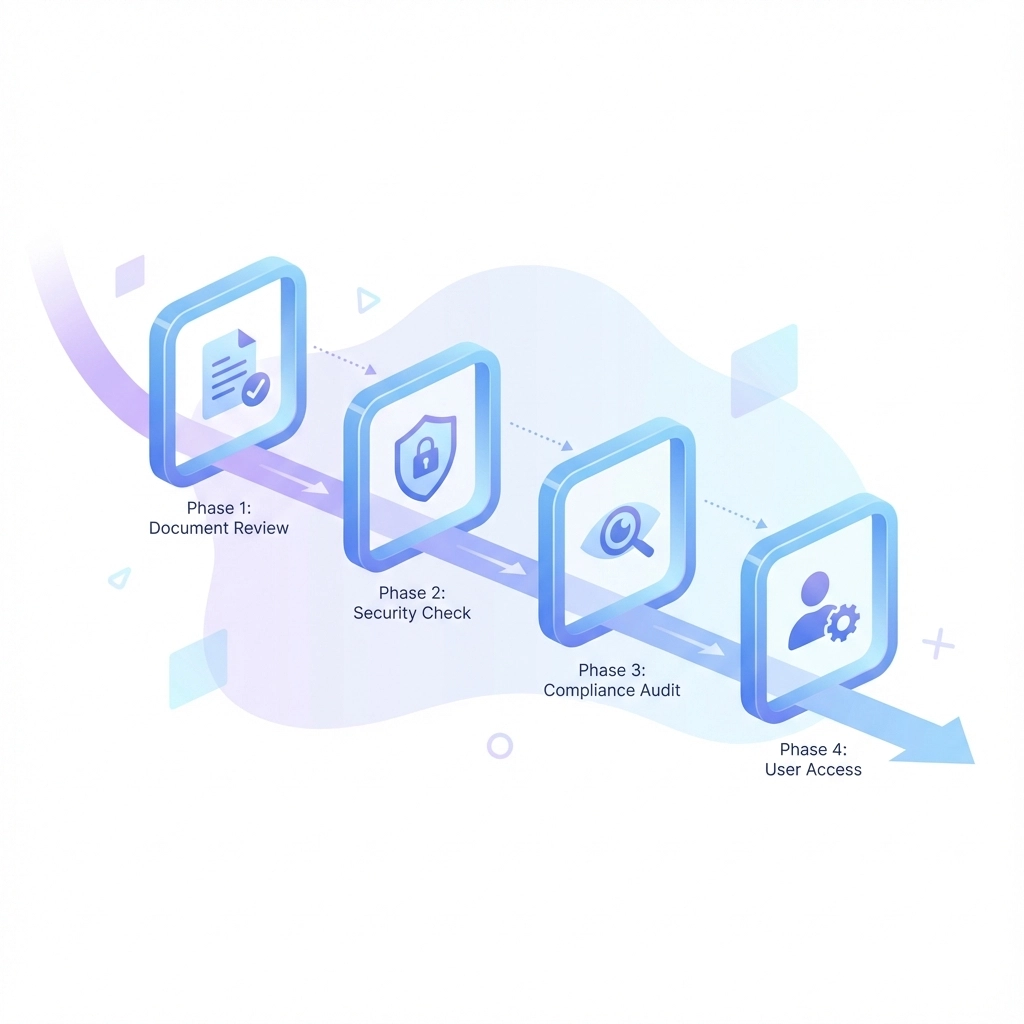
Gate 2: Technical Foundation & Data Governance
Model Validation Establish rigorous testing protocols that go beyond accuracy metrics. Test for bias, robustness, and edge case performance. Document training data sources, preprocessing steps, and model architecture decisions. Create reproducible evaluation frameworks that regulators can audit.
Data Compliance Ensure data collection, processing, and storage comply with GDPR, CCPA, and other relevant privacy laws. Implement data minimization principles: collect only necessary data and establish clear retention schedules. Document consent mechanisms and user rights processes.
Security Implementation Deploy comprehensive security measures including encryption, access controls, and audit logging. Establish incident response procedures for data breaches or system failures. Create backup and recovery processes that maintain compliance requirements.
Checkpoint Questions:
Can we demonstrate our model's performance across diverse user groups?
Are our data practices compliant with all applicable privacy laws?
Have we implemented adequate security measures and incident response procedures?
Gate 3: Human Oversight & Explainability
Human-in-the-Loop Design For high-risk applications, design meaningful human oversight into your system architecture. This means creating interfaces that allow humans to understand, review, and override AI decisions when necessary. Document the human review process and decision-making authority.
Explainability Mechanisms Develop explanation capabilities appropriate for your user base. Technical users may need detailed model insights, while end users require simplified explanations of how decisions affect them. Create both technical documentation for auditors and user-friendly explanations for consumers.
Appeals and Redress Establish clear processes for users to contest AI decisions. Document appeal procedures, review timelines, and correction mechanisms. Train support teams to handle AI-related disputes effectively.
Checkpoint Questions:
Can users understand how AI decisions affect them?
Have we created effective human oversight processes?
Are appeal and correction mechanisms clearly documented and accessible?
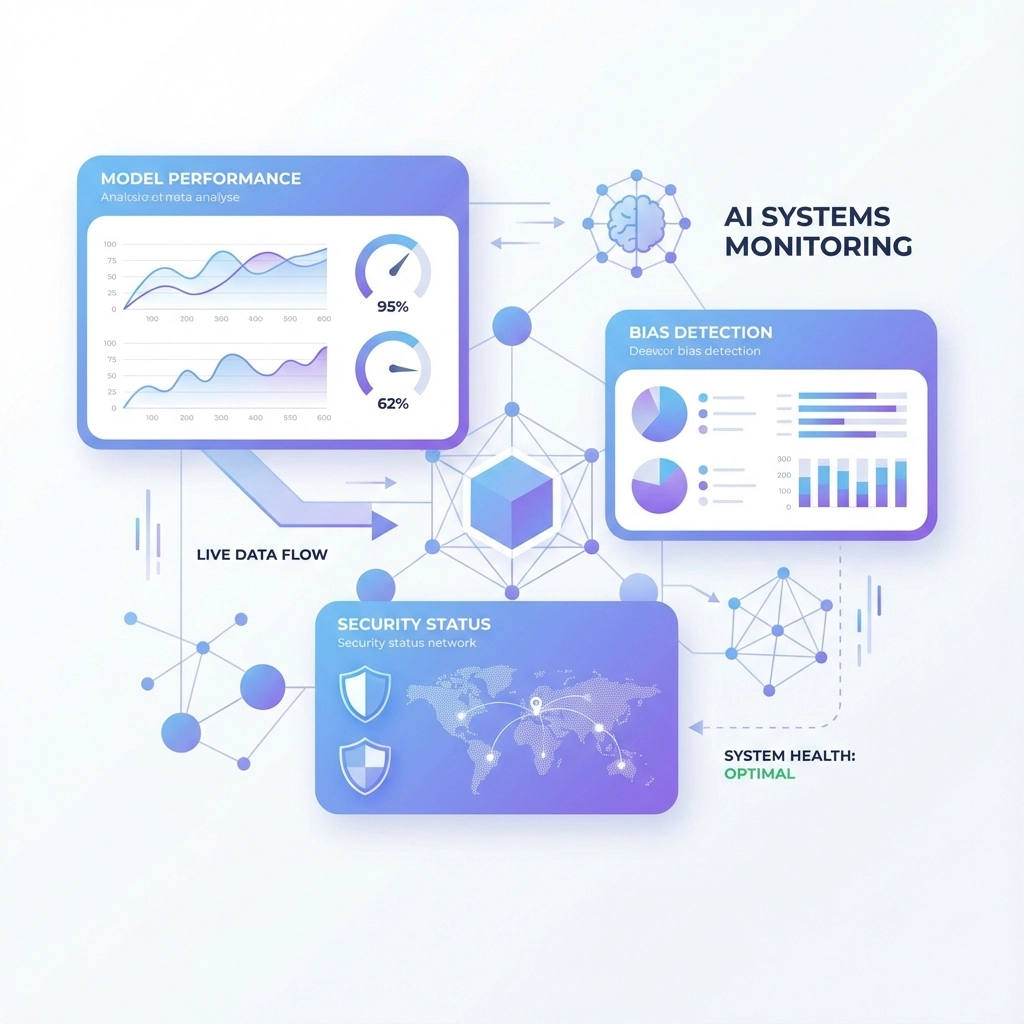
Gate 4: User Experience & Disclosure
Transparency Requirements Design clear, prominent disclosures that inform users when they're interacting with AI systems. Avoid burying these disclosures in lengthy terms of service. Create contextual notifications that appear when AI makes decisions affecting users.
Consent Mechanisms Implement granular consent options that allow users to control how their data is used for AI training and inference. Provide easy opt-out mechanisms and respect user preferences consistently across the product experience.
User Education Develop educational resources that help users understand your AI capabilities and limitations. Create FAQs, help articles, and interactive guides that demystify AI decision-making without overwhelming users with technical details.
Checkpoint Questions:
Are AI disclosures prominent and understandable?
Can users easily control their AI-related preferences?
Have we provided adequate user education resources?
EU AI Act Compliance Integration
The EU AI Act creates specific obligations that product managers must integrate into their development process. Here's how to align your stage gates with EU requirements:
High-Risk System Requirements If your AI system qualifies as high-risk, you must maintain detailed technical documentation, implement risk management systems, ensure data quality and governance, maintain logs, and provide human oversight. These requirements should be built into every development phase, not added at the end.
Conformity Assessment Plan your conformity assessment process early. High-risk systems require third-party assessment or detailed self-assessment depending on the specific AI category. Budget time and resources for this process in your project timeline.
CE Marking and Registration Factor CE marking requirements and EU database registration into your launch timeline. These processes can take weeks or months, so start preparation during the technical development phase.
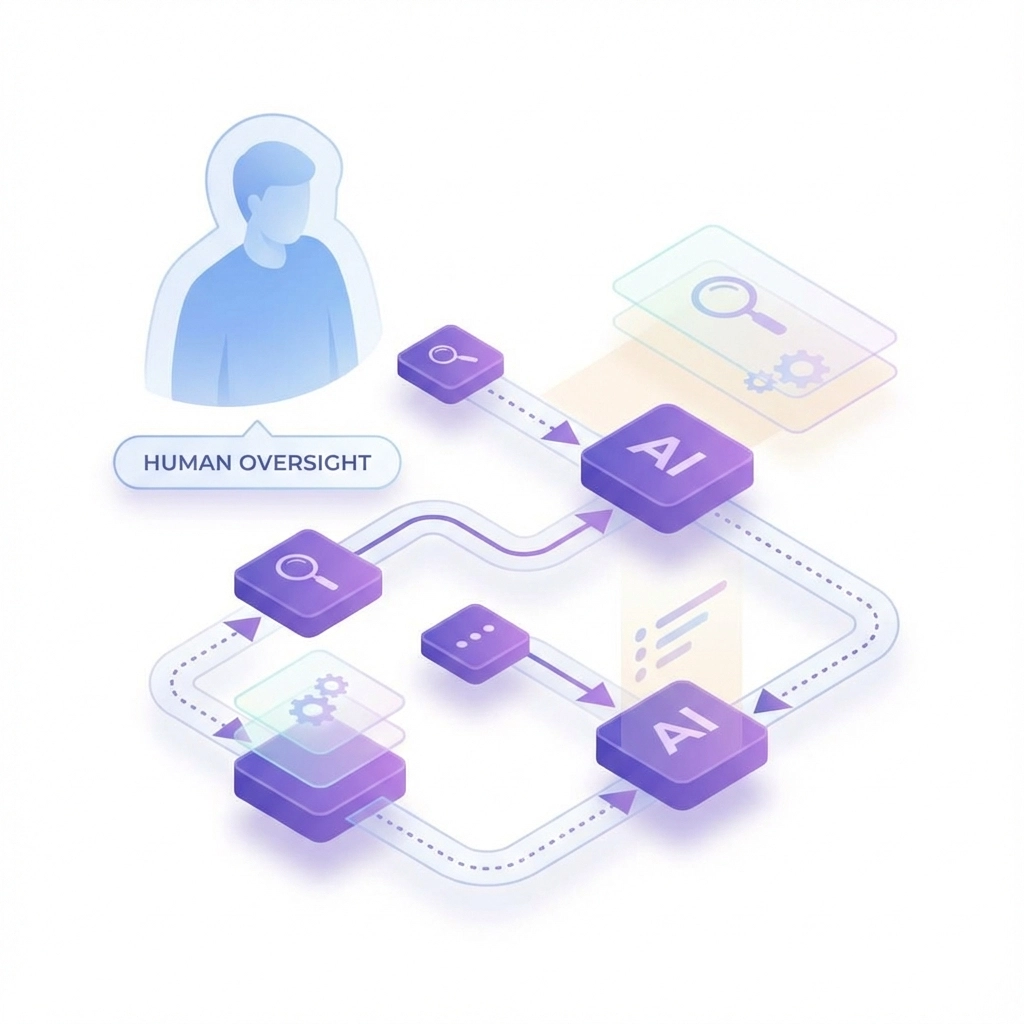
Internal Governance Framework Example
Here's a practical framework combining EU AI Act requirements with internal governance:
Weekly Compliance Reviews Hold weekly 30-minute reviews with legal, engineering, and product teams. Review development progress against compliance checkpoints, discuss emerging issues, and adjust timelines as needed.
Risk Register Management Maintain a living risk register that tracks compliance risks, mitigation strategies, and ownership assignments. Update this register weekly and review with leadership monthly.
Documentation Standards Create templates for compliance documentation that development teams can use consistently. Include sections for risk assessments, testing protocols, human oversight procedures, and user disclosure requirements.
Cross-Functional Training Ensure all team members understand basic compliance requirements relevant to their role. Provide specific training on EU AI Act obligations, data privacy requirements, and your company's internal policies.
Post-Launch Monitoring Strategy
Compliance doesn't end at launch. Establish ongoing monitoring processes that ensure continued compliance as your AI system evolves:
Performance Monitoring Track model performance across different user segments and use cases. Monitor for bias drift, accuracy degradation, and unexpected behaviors. Set up automated alerts for performance thresholds that trigger compliance reviews.
User Feedback Analysis Systematically analyze user complaints, support tickets, and feedback for compliance issues. Look for patterns that might indicate bias, discrimination, or user confusion about AI decision-making.
Regulatory Monitoring Stay current with evolving AI regulations and guidance from regulatory bodies. Join industry associations, subscribe to legal updates, and maintain relationships with compliance experts who can provide timely guidance.
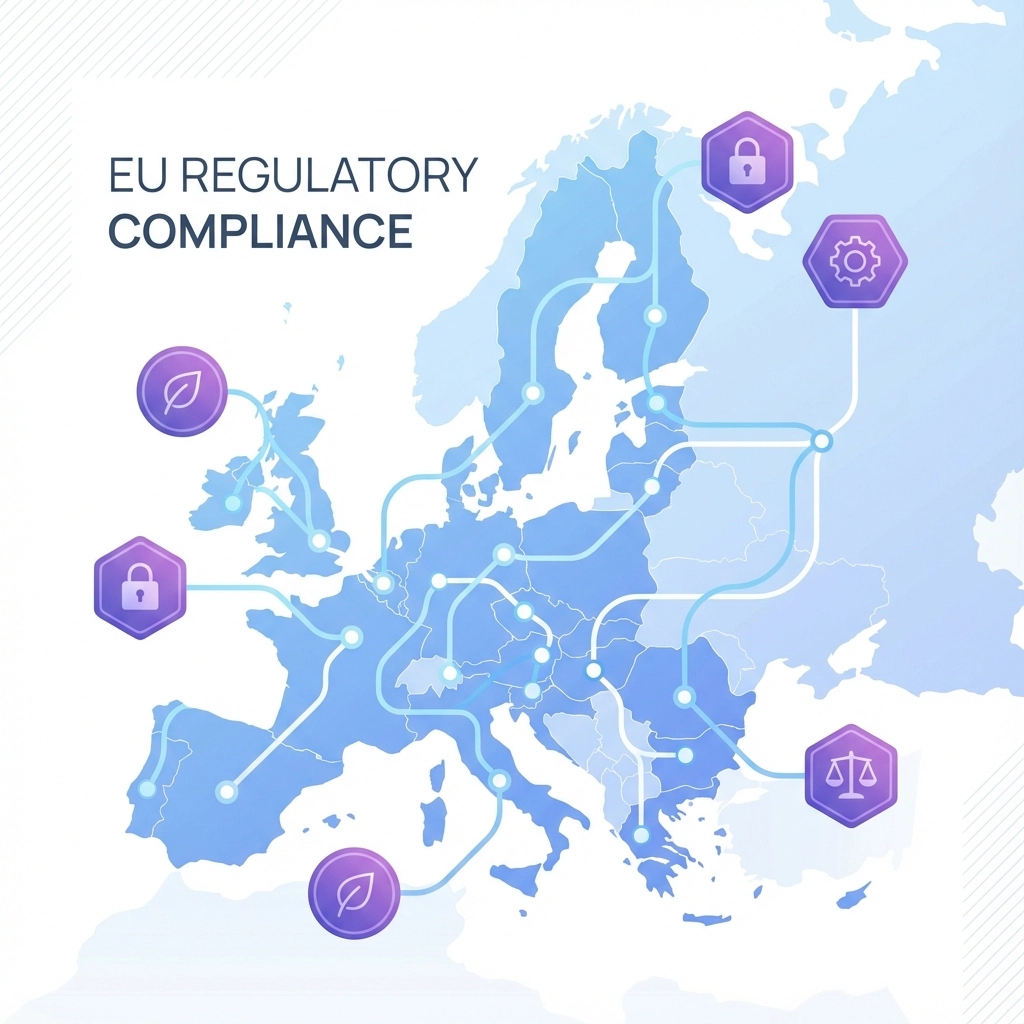
Crisis Management Preparation
Despite careful planning, AI compliance issues can emerge post-launch. Prepare for these scenarios:
Incident Response Plan Create detailed procedures for handling compliance violations, user complaints, and regulatory inquiries. Assign clear roles and responsibilities, establish communication protocols, and practice response procedures regularly.
Stakeholder Communication Develop templates for communicating compliance issues to users, regulators, and internal stakeholders. Prepare holding statements for common scenarios while legal and technical teams investigate specific issues.
Remediation Procedures Document clear steps for fixing compliance issues, including system modifications, user notifications, and regulatory reporting requirements. Establish decision-making authority for emergency changes that might affect product functionality.
The Path Forward
Successful AI product launches require treating compliance as a product requirement, not a legal checkbox. By integrating these gate reviews into your development process, you'll ship faster, reduce compliance risk, and build user trust.
The key is starting compliance planning early, involving the right stakeholders at each gate, and maintaining rigorous documentation throughout the development process. This systematic approach transforms compliance from a launch blocker into a competitive advantage.
Ready to streamline your AI governance process? Explore how AI Gov Ops can help you build compliance into your product development workflow, ensuring fast launches without regulatory risks.
This post was created by Bob Rapp, Founder aigovops foundation 2025 all rights reserved. Join our email list at https://www.aigovopsfoundation.org/ and help build a global community doing good for humans with ai - and making the world a better place to ship production ai solutions
Comments