Stop Wasting Time on Basic AI Compliance: Try These 7 Advanced Governance Hacks
- Bob Rapp

- 4 days ago
- 5 min read
Most organizations approach AI governance like a compliance checklist: reactive, uniform, and disconnected from business operations. While basic compliance gets you legal coverage, it doesn't build competitive advantage or operational efficiency.
Advanced AI governance transforms oversight from a cost center into a strategic capability. Organizations using these sophisticated approaches report 40% faster deployment cycles and 65% fewer post-production issues compared to traditional compliance-only frameworks.
Here are seven advanced governance practices that move beyond basic compliance to create scalable, strategic AI oversight.
1. Implement Risk-Based Governance Tiers
Replace uniform approval processes with stratified governance that matches oversight intensity to actual risk levels.
The Advanced Practice
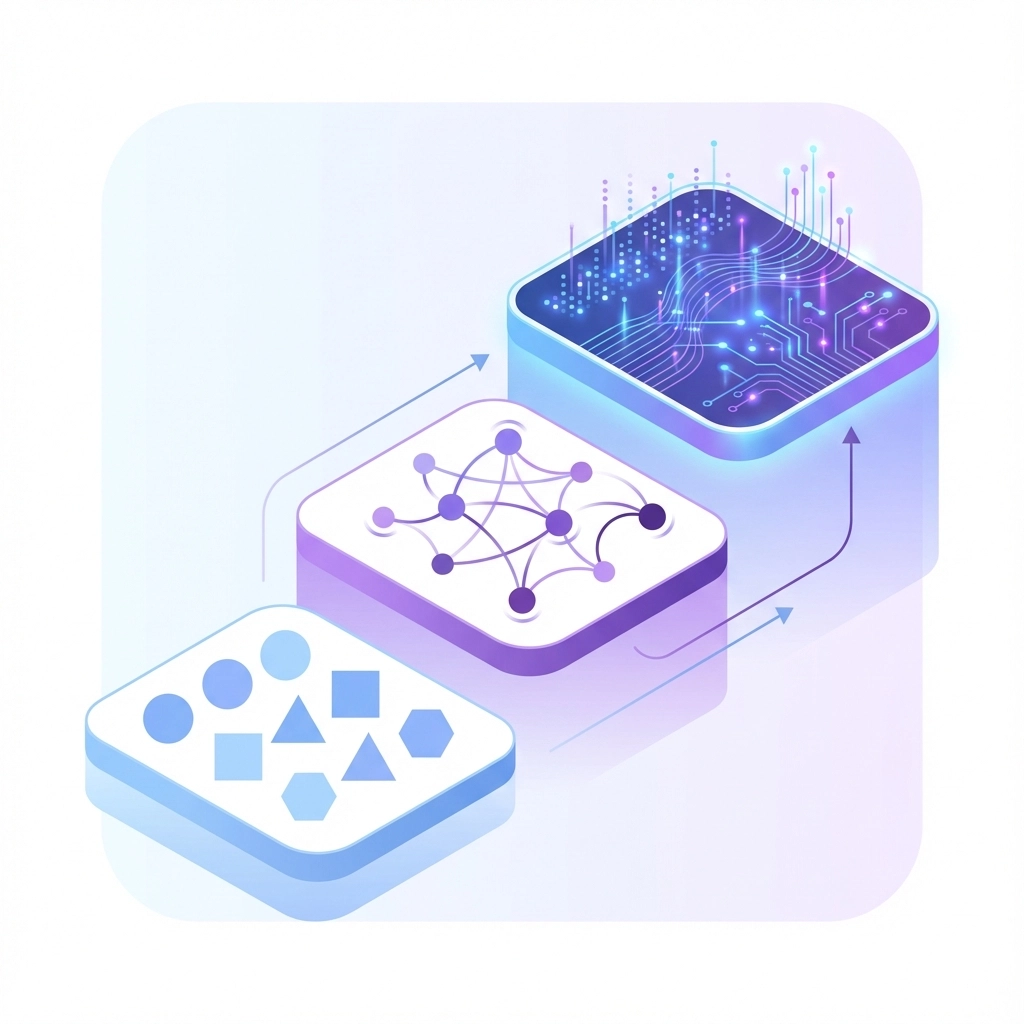
Create three governance tiers: Expedited (low-risk AI tools), Standard (moderate business impact), and Enhanced (high-risk or regulated applications). Each tier has different approval workflows, documentation requirements, and monitoring protocols.
Template: Risk Tier Classification
Expedited Tier: Internal productivity tools, content generation, data analysis
Standard Tier: Customer-facing chatbots, recommendation systems, process automation
Enhanced Tier: Credit decisions, medical diagnostics, hiring algorithms, autonomous systems
Implementation Checklist
Map current AI applications to risk categories
Define approval authority for each tier (individual vs. committee vs. board)
Create tier-specific documentation templates
Establish escalation triggers between tiers
Set review cycles (quarterly for Enhanced, annually for Standard, as-needed for Expedited)
Common Pitfall: Using technology complexity instead of business impact to determine tiers. A simple chatbot handling financial advice requires Enhanced oversight, while a complex internal coding assistant may qualify for Expedited approval.
2. Embed Governance by Design
Integrate governance controls directly into development workflows rather than treating them as post-development checkpoints.
The Advanced Practice
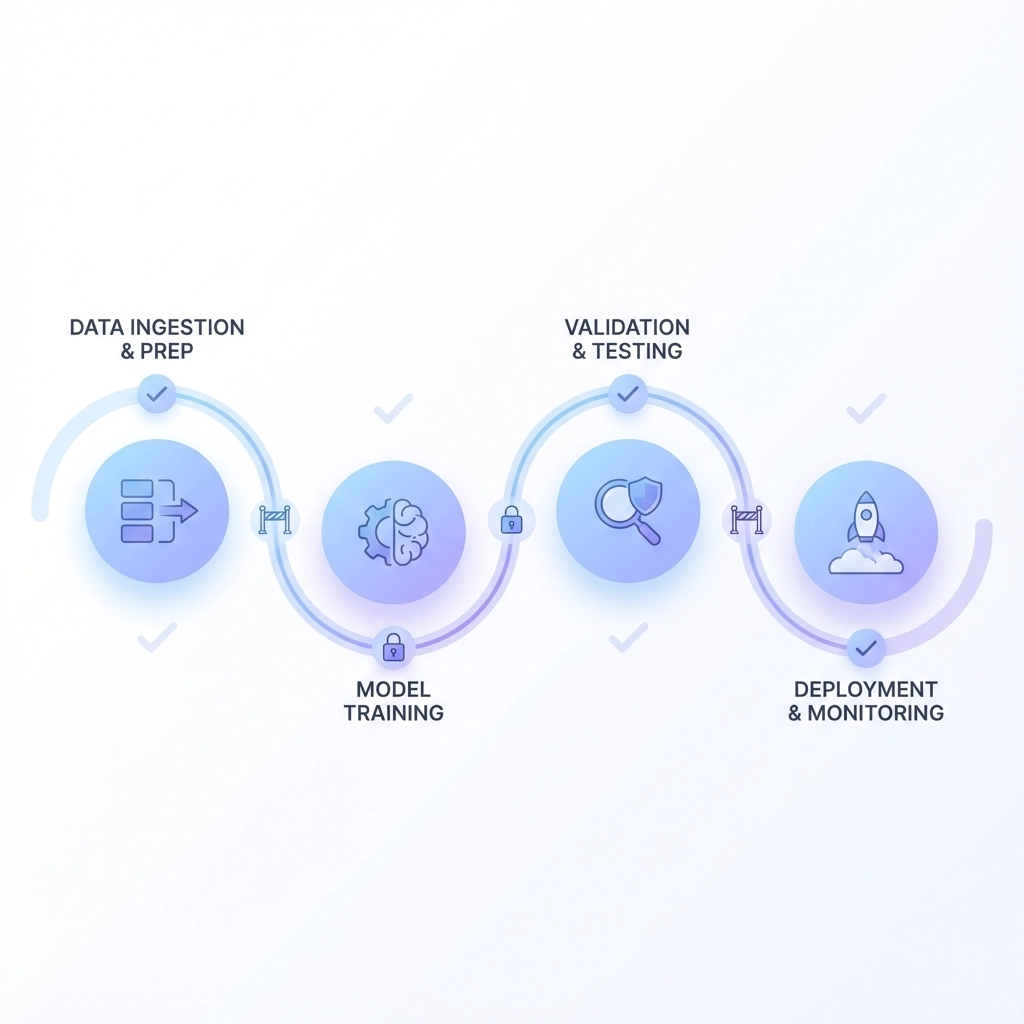
Build governance requirements into CI/CD pipelines, model development platforms, and data engineering workflows. This approach prevents compliance issues from reaching production and reduces remediation costs by 80%.
Template: Governance Checkpoints by Development Stage
Data Ingestion: Automated data lineage tracking, bias detection scans
Model Training: Fairness metrics validation, explainability testing
Model Validation: Performance benchmarks, security vulnerability scans
Deployment: Approval workflow triggers, monitoring setup verification
Production: Automated drift alerts, performance degradation notifications
Implementation Checklist
Audit current development workflows for governance gaps
Identify automation opportunities for routine compliance checks
Create fail-safe mechanisms that prevent non-compliant deployments
Train development teams on embedded governance tools
Establish metrics for governance efficiency (time-to-approval, defect rates)
Common Pitfall: Adding so many automated checks that development velocity drops significantly. Start with high-impact, low-friction controls and gradually expand coverage.
3. Deploy Intelligent Governance Automation
Use AI governance platforms to automate routine oversight tasks while maintaining human oversight for critical decisions.
The Advanced Practice
Implement model management platforms that automatically track data lineage, run bias assessments, generate compliance reports, and trigger alerts for anomalous behavior. This reduces manual governance overhead by 70% while improving consistency and accuracy.
Template: Automation Priority Matrix
High Priority: Bias testing, model drift detection, audit logging
Medium Priority: Performance monitoring, documentation generation, compliance reporting
Low Priority: Risk scoring, stakeholder notifications, approval workflows
Implementation Checklist
Evaluate governance platform options (build vs. buy analysis)
Define automated workflow triggers and escalation rules
Create integration plans with existing development tools
Establish human review requirements for automated decisions
Set up governance dashboard for executive visibility
Common Pitfall: Over-automating decision-making without maintaining appropriate human oversight. Automation should handle data collection and initial analysis, not replace human judgment on complex governance decisions.
4. Establish Cross-Functional Governance Councils
Create integrated teams that span technical, legal, business, and compliance functions to prevent siloed decision-making.
The Advanced Practice
Form AI governance councils with rotating membership, clear decision-making authority, and standardized escalation procedures. These councils review Enhanced-tier applications, resolve governance conflicts, and update policies based on emerging risks.
Template: Governance Council Structure
Core Members: Chief Data Officer, Legal Counsel, Compliance Lead, Security Officer
Rotating Members: Business unit representatives, technical architects, external advisors
Meeting Cadence: Monthly reviews, quarterly policy updates, ad-hoc escalations
Decision Authority: Enhanced-tier approvals, policy exceptions, risk tolerance adjustments
Implementation Checklist
Define council charter and decision-making authority
Establish meeting cadence and escalation procedures
Create standardized review templates and scoring rubrics
Train council members on AI risk assessment methodologies
Set up communication channels for urgent governance issues
Common Pitfall: Creating councils that become bottlenecks rather than enablers. Ensure clear decision timelines and appropriate delegation of authority to prevent delays.
5. Implement Continuous Monitoring and Drift Detection
Move beyond periodic reviews to real-time governance monitoring that detects and responds to changes in AI system behavior.
The Advanced Practice
Deploy automated monitoring systems that track model performance, data quality, fairness metrics, and security indicators in real-time. When thresholds are exceeded, systems automatically trigger retraining workflows or temporarily restrict system access.
Template: Critical Monitoring Metrics
Performance Drift: Accuracy degradation, prediction confidence scores
Data Quality: Distribution shifts, missing values, outlier detection
Fairness Metrics: Demographic parity, equalized odds, individual fairness
Security Indicators: Adversarial attack detection, data poisoning alerts
Operational Health: Response times, error rates, system availability
Implementation Checklist
Define monitoring thresholds for each AI application
Set up automated alerting and escalation procedures
Create response playbooks for common drift scenarios
Establish monitoring dashboard for governance teams
Plan regular threshold reviews and adjustments
Common Pitfall: Setting monitoring thresholds too conservatively, creating alert fatigue. Start with broader thresholds and narrow them based on operational experience.

6. Operationalize Accountability Structures
Transform governance monitoring insights into concrete actions through clear accountability frameworks and performance metrics.
The Advanced Practice
Create specific roles, responsibilities, and performance metrics tied to AI governance outcomes. This includes governance scorecards, escalation procedures, and consequences for non-compliance that drive behavioral change across the organization.
Template: Accountability Framework
Model Owners: Responsible for ongoing monitoring, performance maintenance, escalation
Business Sponsors: Accountable for business impact, user training, ethical use
Governance Teams: Oversight of compliance, risk assessment, policy enforcement
Executive Sponsors: Strategic direction, resource allocation, organizational culture
Implementation Checklist
Define accountability roles for each AI application
Create governance scorecards with measurable KPIs
Establish consequence frameworks for governance failures
Link governance performance to individual and team evaluations
Set up regular accountability reviews and updates
Common Pitfall: Creating accountability without authority. Ensure that accountable parties have sufficient resources and decision-making power to fulfill their responsibilities.
7. Integrate with Enterprise Risk Management
Connect AI governance to existing enterprise risk, compliance, and security frameworks rather than building parallel systems.
The Advanced Practice
Embed AI risks into existing risk registers, leverage established control testing procedures, and align AI governance metrics with enterprise risk reporting. This approach provides executive visibility while avoiding governance fragmentation.
Template: Enterprise Integration Points
Risk Management: Include AI risks in quarterly risk assessments
Compliance: Align AI controls with SOX, GDPR, and industry regulations
Security: Integrate AI security testing with vulnerability management
Audit: Include AI governance in internal audit scope and testing
Business Continuity: Plan for AI system failures in continuity procedures
Implementation Checklist
Map AI risks to existing enterprise risk categories
Align AI governance metrics with enterprise reporting standards
Integrate AI controls with existing compliance frameworks
Include AI governance in internal audit planning
Update business continuity plans to include AI dependencies
Common Pitfall: Creating separate AI governance structures that duplicate existing enterprise functions. Leverage established processes and expertise rather than building from scratch.
Moving Beyond Basic Compliance
Advanced AI governance transforms oversight from a compliance burden into a competitive advantage. Organizations that implement these practices report faster innovation cycles, reduced operational risks, and stronger stakeholder trust.
The key is moving beyond checklist compliance to strategic governance that enables responsible AI deployment at scale. Start with one or two practices that address your biggest governance pain points, then expand your capabilities over time.
These advanced practices require investment in technology, training, and organizational change. However, the operational efficiency gains and risk reduction benefits typically justify the costs within 12-18 months of implementation.
This post was created by Bob Rapp, Founder aigovops foundation 2025 all rights reserved. Join our email list at https://www.aigovopsfoundation.org/ and help build a global community doing good for humans with ai - and making the world a better place to ship production ai solutions
Comments